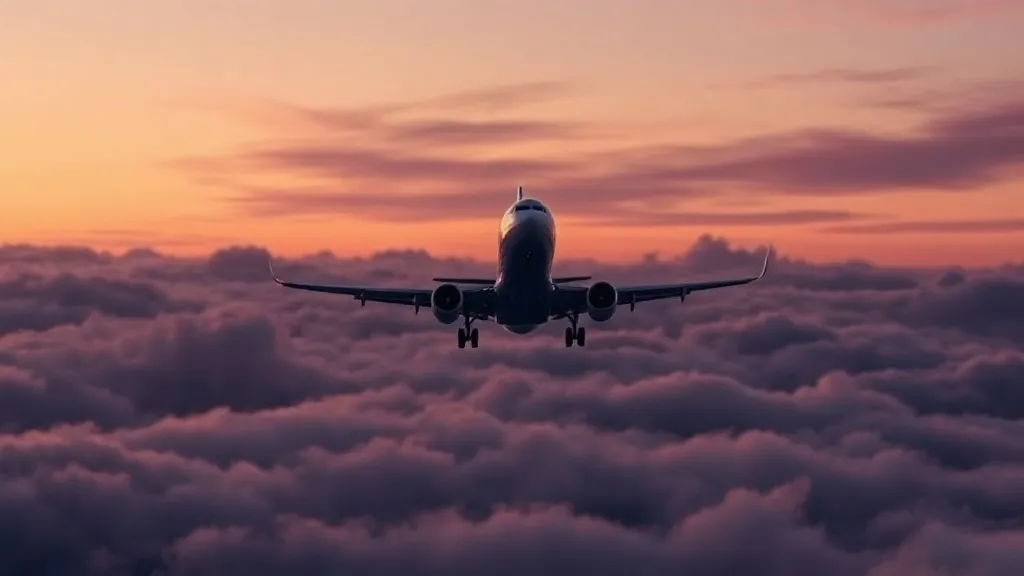
AI certificationbriefings.

A commercial aircraft descending through clouds at dusk, symbolizing the approach to AI-assisted landing systems.

Airbus's AI Landing Trial Is Modest. The Certification Question It Raises Isn't.

Airbus's Mistral-assisted landing trial is workload automation, not autonomy, but it still exposes gaps in how aviation certifies learned software.
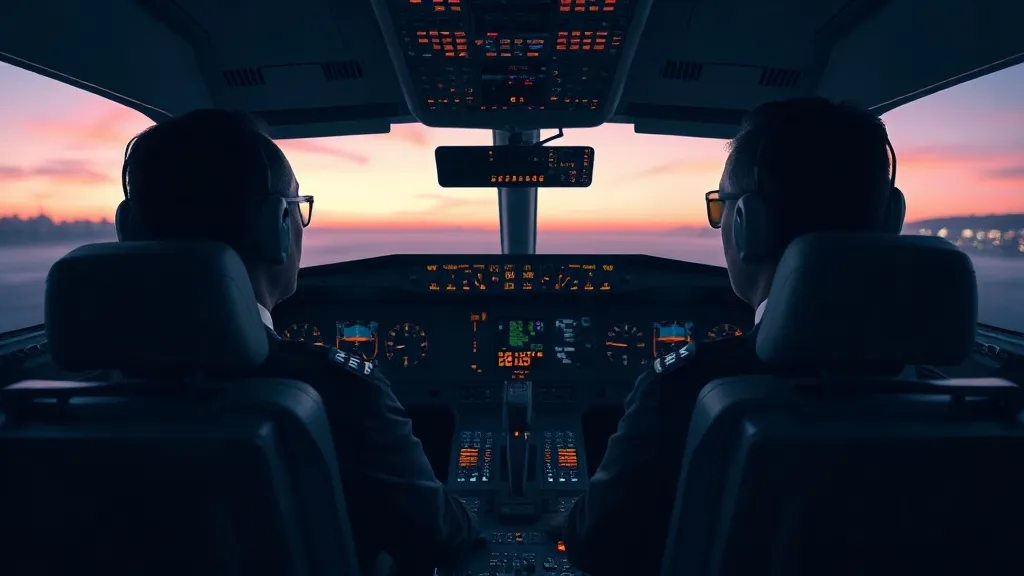
Cockpit interior of a commercial jet during a low-light landing approach, instrument glow lighting the flight deck.

Autonomous Landings Need Their Own Black Box

Airbus's AI landing trial and Nvidia's push for AI action logs point to the same gap: aviation certification demands auditable evidence, not just working code.
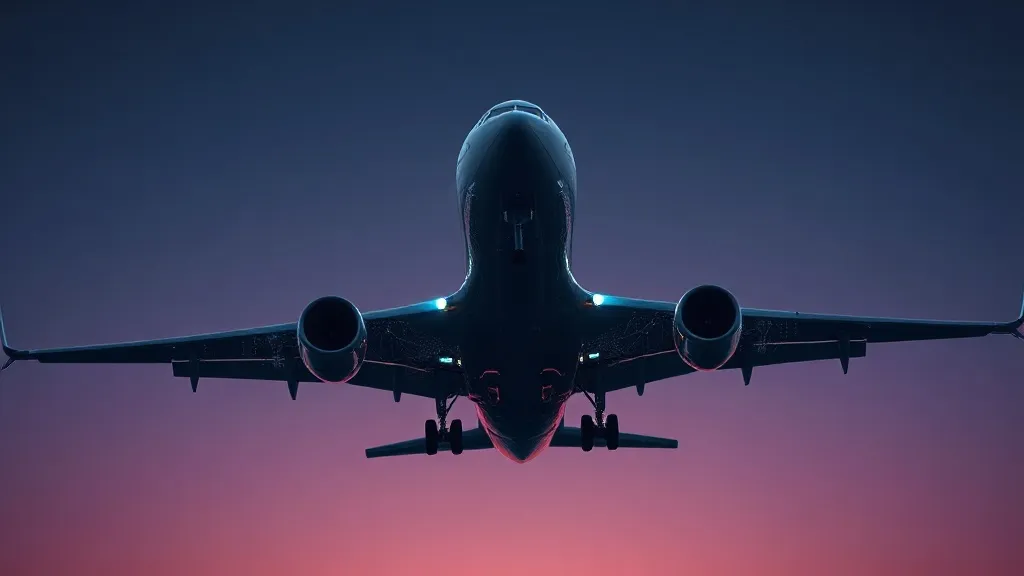
A commercial airliner on approach at dusk with an overlay of abstract data-mesh light patterns across its fuselage.

Autonomous Landings Won't Clear Certification on Capability Alone

Airbus's AI landing trials and new explainability mandates show FAA and EASA will certify model behavior, not just performance.
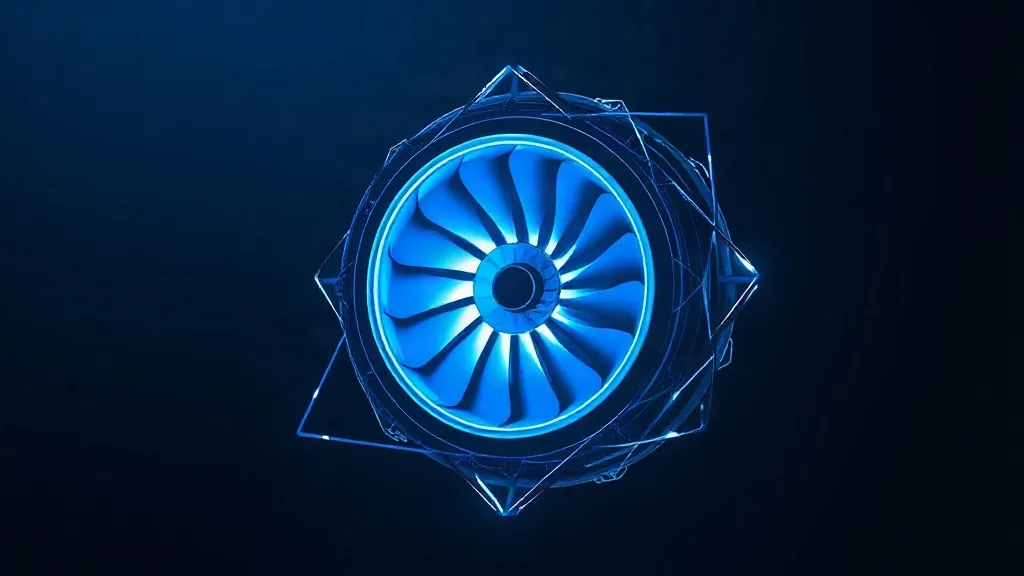
A jet engine core encased in a translucent glowing lattice, symbolizing an AI system constrained within a deterministic safety boundary.

The Safety Cage Is the Business Case

Aerospace AI programs that win certification now are bounding AI inside deterministic envelopes, not waiting for regulators to write AI-native rules.
An aircraft wing at dusk overlaid with a faint circuit and neural network pattern, symbolizing AI embedded in airframe systems.

Aerospace Is Buying AI Faster Than It Can Certify It

AI is spreading across avionics, defense electronics, and design tooling while EASA and FAA certification methodology for airborne AI remains unfinished.

Two runways separated by ocean and linked by a narrow beam of light, symbolizing regulatory convergence across the Atlantic.

Convergence Without Equivalence: What FAA-EASA Alignment Actually Buys You

FAA-EASA cooperation on AI risk taxonomy is real, but it does not harmonize legal obligations, so assurance evidence becomes the actual currency of market access.